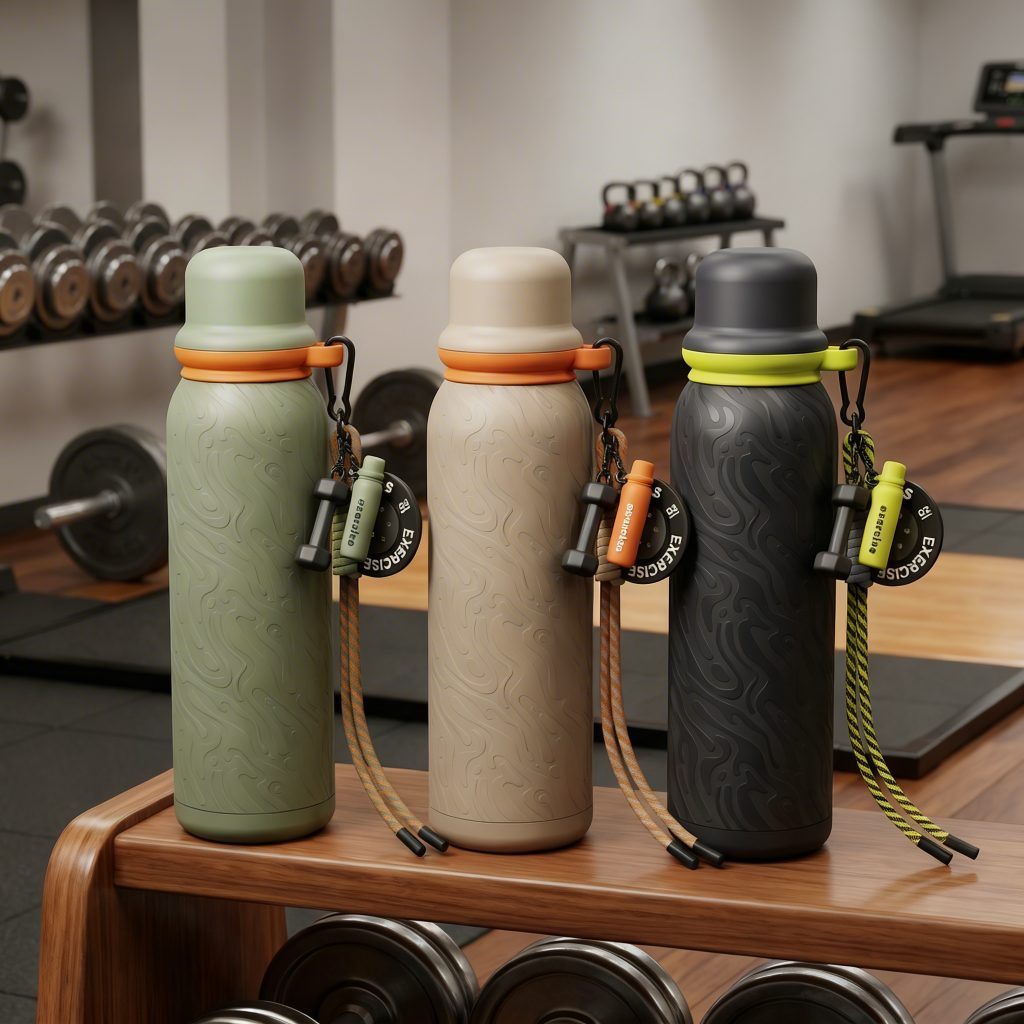
Every January, Target’s shelves fill with the latest “it” water bottles. Social media blazes with unboxing videos of sparkly finishes, app-connected trackers and celebrity-endorsed designs—all priced at $50 or more. For 12 years, I reach for the same $25 Ozark Trail stainless steel bottle from Walmart. It bears scuffs, a faint coffee stain on the lid and lacks the Instagram-worthy flair of Stanley or Hydro Flask. Yet it never leaks, keeps ice solid for 24 hours and survives falls from hiking trails, office desks and my kid’s backpack. In a market obsessed with novelty, this humble bottle teaches me a key lesson: durability, not trendiness, defines a great water bottle.
The $120 Billion Water Bottle Craze: Why Trends Dominate
The global reusable water bottle market hit $120 billion in 2024, with 8.7% annual growth driven by fitness culture, sustainability trends and social media influence. Brands like Stanley and Yeti turn hydration tools into status symbols—their limited-edition colors sell out fast, and #WaterBottleOutfit posts rack up millions of Instagram likes. For many consumers, these bottles act as social currency. A 40oz Stanley Quencher costs $40, but it signals membership in a community of “hygge” lovers and productivity gurus who praise its 12-hour heat retention and ergonomic handle.
My 12-Year-Old Ozark Trail Bottle: The Case for Affordable Durability
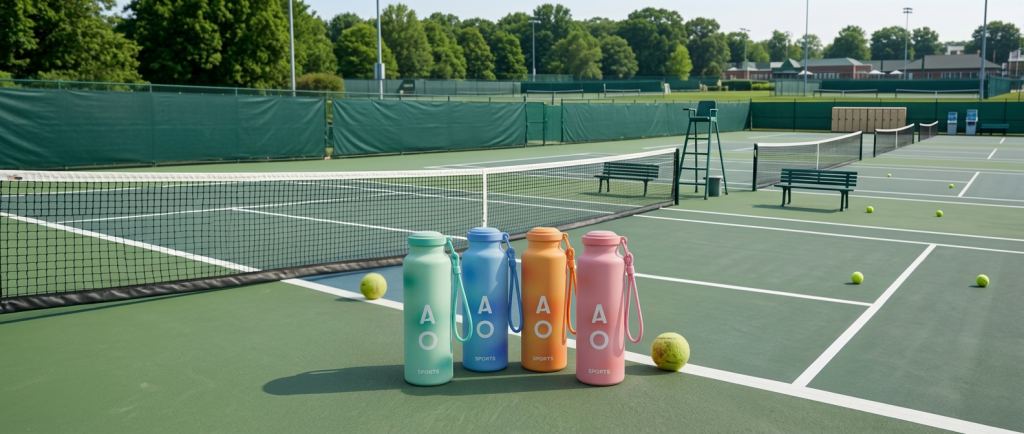
In 2012, I grabbed my Ozark Trail 24oz stainless steel bottle at Walmart on a whim. It cost $24.97—half the price of a comparable Hydro Flask—and offered double-wall vacuum insulation, a leak-proof lid and a simple loop handle. Back then, I ignored trends; I just wanted a bottle that wouldn’t break in my gym bag. Twelve years later, it still works perfectly.
What makes this bottle so tough? It nails long-lasting performance:
- Top-Tier Materials: 18/8 food-grade stainless steel resists dents, rust and corrosion. Unlike plastic bottles that degrade with heat and repeated use, stainless steel stays intact for decades. LessImpact.org tests confirm high-quality stainless steel bottles retain insulation for 20+ years with proper care.
- Sturdy Build: Thick, evenly distributed walls survive countless concrete drops—even a 6-foot fall during a camping trip. The lid’s silicone seal stays intact, stopping leaks even when tossed in a backpack. KSK Home’s durability guide highlights uniform wall thickness and secure lid connections as critical for longevity.
- Timeless Design: No gimmicks, no app integrations, no limited-edition colors—just a functional bottle for every scenario. It fits car cup holders, water fountains and cleans easily by hand or dishwasher.
I’m not alone in loving affordable, durable bottles. Walmart’s best-sellers include the $11.74 Ozark Trail stainless steel model and $4.97 Athletic Works squeeze bottle—both lauded for longevity in customer reviews. These bottles prove you don’t need to splurge for a lasting product.
The Hidden Costs of Trendy Water Bottles
Trendy bottles feel like status symbols, but they bring hidden financial and environmental costs. Let’s break it down:
- Financial Waste: Buy a $50 trendy bottle yearly, and you’ll spend $500 over a decade. My $25 Ozark Trail bottle costs just $2.08 per year. Even if it lasts 15 years, its total cost stays below one Stanley Quencher.
- Environmental Harm: Americans toss 50 billion plastic water bottles annually, with only 30% recycled. Low-quality plastic trendy bottles add to this waste—people discard them when they break or go out of style. Stainless steel bottles are 100% recyclable and reusable indefinitely, cutting carbon footprints by up to 70% vs. single-use plastic.
- Replacement Headaches: Trendy brands often discontinue popular models, making replacement parts hard to find. A broken lid forces a full product buy. Durable brands like Ozark Trail and Yeti (5-year warranty) keep parts available for years.
How to Choose a Water Bottle That Will Stick With You
Tired of chasing trends? Follow these rules to pick a long-lasting bottle:
- Prioritize Materials Over Looks: Choose stainless steel or high-quality BPA-free, impact-resistant Tritan plastic over cheap plastic or fragile glass. Stanley, Yeti and Ozark Trail use top materials that stand the test of time.
- Seek Durability Features: Look for thick walls, secure lid connections and replaceable parts. Avoid complex designs (e.g., fragile built-in straws) and thin, flimsy construction.
- Ignore the Hype: Don’t buy viral or celebrity-endorsed bottles. Read long-term customer reviews—focus on feedback about durability after 1+ years of use.
- Calculate Value by Use: Estimate lifespan to find cost per year. A $30 bottle lasting 10 years ($3/year) beats a $15 bottle lasting 2 years ($7.50/year).
- Care for Your Bottle: Simple maintenance extends life: hand-wash lids to prevent mold, skip microwaving and dry thoroughly after use. Hand-washing preserves insulation longer than dishwasher use.
The Bottom Line: Durability Wins
In a world of endless trends, my 12-year-old Ozark Trail bottle reminds me some products are meant to be kept, not replaced. It’s not flashy, viral or socially beloved—but it’s reliable, affordable and planet-friendly. Three qualities that matter more than any trend.
Next time you’re tempted by the latest “it” water bottle, ask: Will this last 10 years? Or will I replace it with the next trend? For me, the answer is clear. I’ll stick with my scuffed, trusted Ozark Trail bottle—proof the best water bottle isn’t the one everyone talks about. It’s the one still with you a decade later.